
A 5-point inspection is a focused evaluation of the five major systems in a home: the Roof, Plumbing, HVAC, Electrical Panel, and Structural components. It is designed for buyers and investors who want a clear picture of the systems that matter most without the depth of a full home inspection.
At Avalon Home Inspections, we perform 5-point inspections throughout Atlanta and the surrounding Georgia communities for clients who need an efficient, targeted assessment. This post explains what is covered, who it is built for, and how it compares to other inspection types.
What a 5 Point Inspection Covers
A 5-point inspection focuses exclusively on the five systems that drive the most significant repair costs and safety concerns in a property. Each system is evaluated for condition, functionality, and any visible defects.
1. Roof
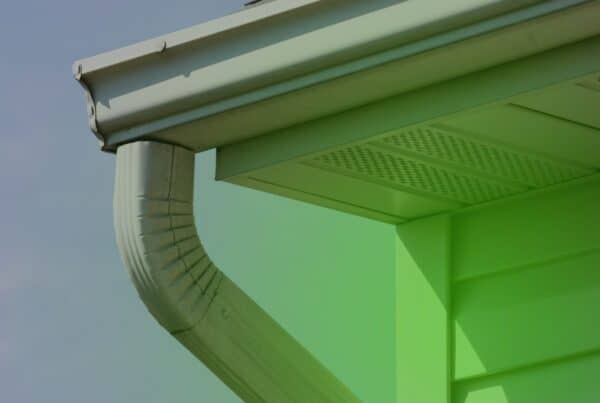
The inspector assesses the roof covering, penetrations, flashing, and drainage. The goal is to identify active leaks, damaged or deteriorating materials, and any conditions that leave the structure exposed to water intrusion.
Roof problems are among the most expensive repairs a buyer can inherit, which is why the roof is always one of the five points.
2. Plumbing
The plumbing evaluation covers visible water supply lines, drain and waste lines, water fixtures, and the water heater. Inspectors check for leaks, improper materials, drainage issues, and signs of prior water damage. This gives you a baseline picture of the system’s overall condition without invasive testing.
3. HVAC
The heating and cooling systems are checked for proper operation, condition of components, and visible installation concerns. This includes the furnace or heat pump, air conditioning unit, and distribution equipment.
An aging or poorly maintained HVAC system can cost thousands to replace, so confirming its current condition is a key part of any pre-purchase assessment.
4. Electrical Panel
The electrical evaluation focuses on the main panel, service entry, wiring visible in accessible areas, and any safety concerns such as double-tapping, improper breaker sizing, or outdated panel brands known to present hazards. Electrical issues can affect both safety and insurability.
5. Structural
The structural review looks at the foundation, framing visible in accessible areas, and major structural components of the building.
This includes checking for settlement, cracks, moisture intrusion at the foundation level, and any signs of movement or compromise that could affect the long-term integrity of the structure.

Who Is a 5 Point Inspection Best For?
The 5-point inspection is a strong fit for a specific type of client.
- Real estate investors comparing multiple properties benefit most. A five-point inspection offers a quick, budget-friendly look at major systems, giving you the data to narrow your choices before committing to a full inspection.
- Buyers with a specific concern sometimes request a 5-point inspection when they want a targeted look at the major systems of a home they are already considering, with a full inspection planned as a follow-up.
- Sellers who want to understand the condition of their property’s core systems before listing can use a 5-point inspection as a pre-listing tool.
One important note: Avalon always recommends a full home inspection for buyers purchasing a primary residence.
A 5-point inspection is thorough within its scope, but a full inspection surfaces a much broader range of safety issues, repair needs, and material defects that a 5-point inspection is not designed to catch.
How a 5 Point Inspection Differs from a Full Home Inspection
A full home inspection at Avalon is a comprehensive evaluation of every accessible system and component of the property. That includes everything in a 5-point inspection plus: attic framing and insulation, interior rooms and finishes, windows and doors, garage, decks and exterior structures, built-in appliances, crawlspace, and more.
Avalon also uses thermal cameras on every full inspection, which can reveal moisture issues and insulation gaps not visible to the naked eye.
A 5-point inspection covers the five systems listed above and nothing else. It is faster, scoped for efficiency, and priced accordingly. It is not a shortcut for buyers who need complete information before purchasing. For those buyers, the full inspection is always the right call.
5 Point Inspection vs. 4 Point Inspection: What’s the Difference?
The 4-point inspection is a different product used primarily by insurance carriers to assess risk on older homes. It covers four systems: Roof, Plumbing, HVAC, and Electrical. Insurance companies in Florida and some other states commonly require a 4-point inspection for homes over a certain age before issuing or renewing a homeowners policy.
Avalon’s 5-point inspection adds a fifth category: Structural. It is not an insurance-required document but a buyer-oriented decision-making tool. If you are looking for an inspection to satisfy an insurance carrier requirement, confirm with your agent whether a 4-point form is what they need.
If you are looking for a pre-purchase or investor assessment of a property’s major systems, a 5-point inspection is the right product.

Related Questions to Explore
- How long does a 5-point inspection take? Most run one to two hours, depending on property size, and you will receive a written report with findings and photographs shortly after.
- Can a 5-point inspection replace a full home inspection? For investors screening multiple properties, it works well as a decision-making tool, but for primary residence buyers, it cannot replace a full inspection, which covers many additional systems and safety items.
- Do I need a 5-point inspection to get homeowners insurance? Not typically. Insurance carriers usually require a 4-point inspection with a specific industry form. If your agent is asking for an inspection to qualify for coverage, confirm which form they need before scheduling. Schedule a free quote if you are unsure which applies to your situation.
- What happens if the inspection finds a problem? Findings are documented in a written report with photos, and what you do with them is up to you. Buyers commonly use the report to negotiate repairs or a price reduction; investors use it to inform their offer or walk away.
- How much does a 5-point inspection cost? Pricing varies by property size and location. Contact Avalon for a free quote in the Atlanta area.
When to Schedule Your Inspection
A 5-point inspection makes the most sense when:
- You are an investor comparing multiple properties and need quick, targeted system assessments.
- You want a fast pre-offer read on the major systems before committing to a full inspection.
- You are a seller who wants to know the condition of your home’s five core systems before listing.
- You need a structural and systems check on a property as part of a broader due diligence process.
If you are buying a home as a primary residence, schedule a full home inspection. The broader coverage protects your investment in ways a 5-point inspection is not scoped to provide.
Avalon serves Atlanta and a wide range of surrounding Georgia communities, including Marietta, McDonough, Stockbridge, Lawrenceville, Alpharetta, and dozens more. Same-day and next-day scheduling is often available.
Conclusion
A 5-point inspection evaluates the five systems most critical to a property’s value, safety, and cost of ownership: Roof, Plumbing, HVAC, Electrical Panel, and Structural. It is built for efficiency and is best suited for investors, multi-property evaluations, and targeted pre-purchase assessments.
Key takeaways:
- A 5-point inspection is not the same as a 4-point insurance inspection.
- It covers more systems than a 4-point but less than a full home inspection.
- For primary residence buyers, a full home inspection is always recommended.
Ready to schedule? Learn more about Avalon’s 5-point inspection service or get a free quote for your property in the Atlanta area.