
Rolled roofing is one of the most common materials found on sheds, garages, low-slope additions, and outbuildings, and it shows up frequently in home inspection reports.
Here is a complete guide to what rolled roofing is, where it is appropriate, how long it actually lasts, and what an inspector evaluates when they encounter it on a property.
What Is Rolled Roofing?
Rolled roofing, also called mineral-surfaced roofing (MSR), is an asphalt-based roofing material that comes packaged in large rolls rather than individual shingles. Each roll typically measures 36 inches wide and covers approximately 100 square feet.
Manufacturers make this material from the same asphalt-impregnated base found in traditional shingles but in a thinner, single-ply sheet format, with granular mineral surfacing on the exposed face.
Common Applications
Because it comes in rolls and installs quickly with nails or adhesive, rolled roofing is a popular choice for low-slope and flat roof applications on structures where cost and speed of installation matter more than longevity or appearance.
Common applications include:
- Garden sheds and storage buildings
- Detached garages
- Carports and covered walkways
- Low-slope additions to main residential structures
- Temporary roof covering during repairs or new construction
Installers apply rolled roofing in overlapping horizontal strips, working from the bottom of the roof upward, with each strip overlapping the one below. You can secure the seams with roofing cement, nails (either exposed or concealed, depending on the application method), or self-adhesive backing on some modified bitumen products.

Types of Rolled Roofing
Not all rolled roofing performs the same. There are several distinct types:
| Roofing Type | Key Features & Lifespan |
| Standard Asphalt Roll Roofing | • Most basic and inexpensive option • Widely available and easy to install • Shortest expected lifespan |
| Modified Bitumen | • Blends asphalt with polymers (APP/SBS) for added flexibility and durability • Provides high temperature resistance • Reliable, long-term choice for flat and low-slope structures |
| EPDM (Rubber Roofing) | • Synthetic rubber membrane (Ethylene Propylene Diene Monomer) • Popular for commercial projects and flat residential roofs • Offers a substantially longer lifespan than asphalt-based options |
For the purposes of this article, “rolled roofing” refers primarily to the standard asphalt mineral surface product, since that is what home inspectors most frequently encounter on residential outbuildings and lower-cost structures.
How Long Does Rolled Roofing Last?
This is where expectations and reality often diverge. Standard asphalt rolled roofing typically lasts 5 to 10 years under normal conditions, with some sources citing up to 15 years with high-quality installation and minimal weather stress.
In practice, particularly in climates with intense UV exposure, high humidity, or significant temperature swings, the lower end of that range is more common.
For comparison: standard asphalt shingles typically last 15 to 30 years, and metal roofing can last 40 years or more.
Several factors affect actual lifespan:
| Factor | Impact on Lifespan |
| Roof Slope | • Designed strictly for low-slope applications (under a 4:12 pitch) • Steeper slopes prevent proper drainage at lapped seams, causing premature failure |
| Climate | • UV rays degrade asphalt granules and binders over time • Freeze-thaw cycles trigger surface cracking • Sustained heat accelerates deterioration, especially in southern climates |
| Installation Quality | • Improper overlaps, poor seam sealing, or exposed nails allow water infiltration • Cold-weather installation can cause the material to crack during application |
| Maintenance | • Regular inspections and prompt seam or puncture repairs extend service life • Thin profile offers little margin for error, causing rapid deterioration if unmonitored |

What Looks Normal vs. What’s a Problem
Rolled roofing in good condition shows flat, uniform surfacing with intact granules, no visible seam gaps or lifting, and no blistering or cracking. This is a satisfactory finding on an outbuilding during a home inspection.
Signs of deterioration or failure that inspectors document:
- Granule loss or bare patches: Loss of the mineral surface granule coating is a sign of aging and UV degradation. Once the granules are gone, the underlying asphalt is directly exposed to weather.
- Cracking or alligatoring: A pattern of surface cracks resembling alligator skin indicates the asphalt binder has dried out and lost flexibility. Active leaking is likely or imminent.
- Seam separation or lifting: Lifted seams or gaps at overlaps are active water infiltration points. This is a repair or replacement item.
- Blistering: Bubbles or raised areas on the surface indicate moisture or air trapped beneath the roofing during installation. Blisters compromise the surface seal.
- Moss, algae, or debris accumulation: More common in moist climates. Organic growth holds moisture against the surface and accelerates degradation.
- Ponding water: Any visible low area where water pools rather than drains is a significant concern on a flat or low-slope roof.
Rolled Roofing on the Main House Roof
On an outbuilding, rolled roofing is generally unremarkable. Rolled roofing on the primary dwelling roof is a different matter. Because its lifespan is significantly shorter than most shingle or metal systems, finding it on a home’s main roof may indicate deferred maintenance, budget installation, or an approaching need for replacement.
Home inspectors note the material type as part of the roof assessment, and when rolled roofing is found on a primary structure, they evaluate its current condition, estimate remaining serviceable life where possible, and document any deficiencies.
Buyers should understand that a rolled roofing material on the main house is not automatically a defect, but it does carry a shorter replacement timeline than most other roof types.
Related Questions to Explore
- Can you put rolled roofing over existing shingles? Our inspectors frequently flag this DIY shortcut. Layering traps moisture and adds excessive weight, which is why Avalon Home Inspections notes it as an improper installation that violates most local building codes.
- Is rolled roofing waterproof? It sheds water on minor slopes but cannot handle standing water. During our thorough roof evaluations, we specifically check low-slope areas for ponding water, which will quickly rot standard roll roofing.
- How much does rolled roofing cost to replace? Replacing a typical outbuilding roof costs $1,500 to $3,000. If we identify a failing rolled roof during your home inspection, our report gives you the documentation needed to budget for this replacement before closing.
- Is rolled roofing suitable for a house roof? It works for low-slope patio additions, but we rarely recommend it for a primary roof. Finding it on a main home usually signals to our buyers that a major roof replacement expense is right around the corner.
- Can I install rolled roofing myself? Yes, but minor errors drastically cut its lifespan. We frequently find poor seam sealing and improper nailing patterns on DIY outbuildings, which is why having an inspector evaluate these structures is so important.
What Home Inspectors Evaluate on Your Roof
The National Roofing Contractors Association provides homeowner resources on roofing materials, maintenance, and when to seek professional evaluation.
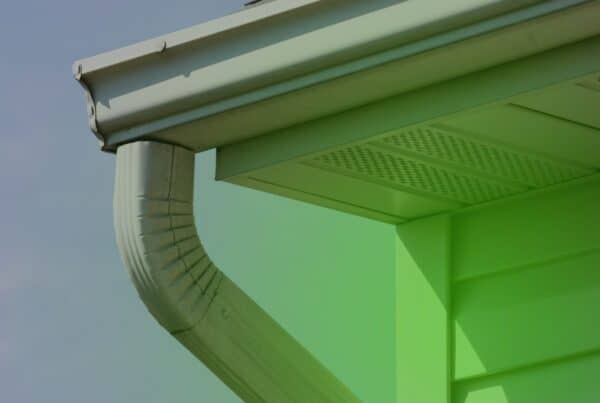
During a home inspection, the roofing system is one of the most closely examined components. An inspector evaluates material type and condition, estimates remaining service life where observable conditions allow, identifies any active deficiencies, including lifting seams, granule loss, and penetration flashing, and assesses the drainage systems, including gutters and downspouts.
Conclusion
If you are purchasing a property where the main dwelling or outbuildings have rolled roofing, it is worth knowing what the inspector will report and having a clear conversation about the replacement timeline before closing.
Avalon Home Inspections provides thorough roof evaluations as part of our standard residential inspection. Our reports clearly document roofing material types, conditions, and any findings that affect the home’s performance or value.
Learn more about our inspection services and schedule your inspection today.