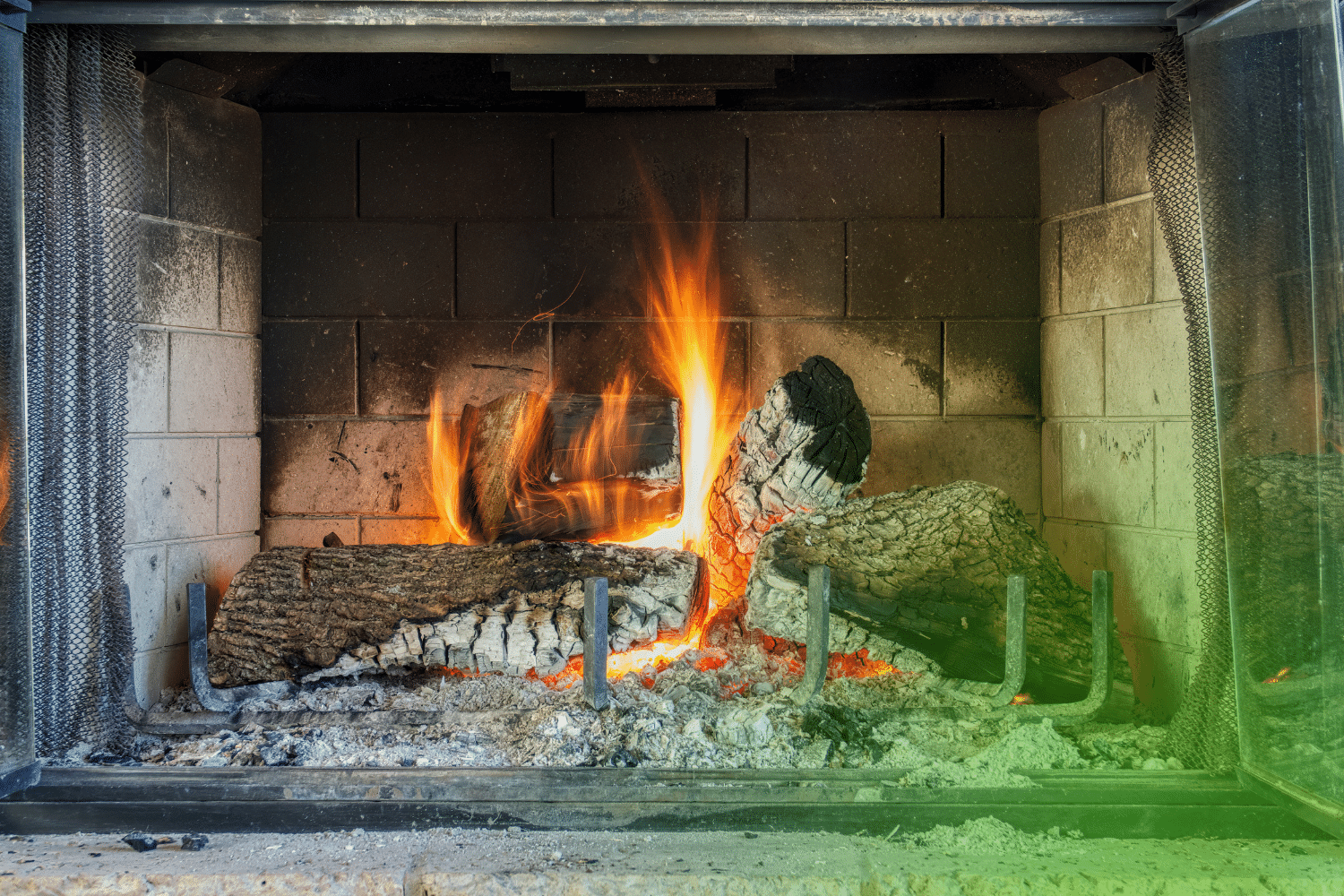
Yes, gas fireplaces can give off carbon monoxide in homes. When they are properly installed, vented, and maintained, carbon monoxide levels usually stay low and within safe limits.
Problems occur when something goes wrong with the fireplace, venting, or airflow in the home.
Many homeowners use gas fireplaces for warmth, ambiance, and convenience. Understanding how carbon monoxide works and how fireplaces can contribute to it is an important part of keeping your home safe.
What Is Carbon Monoxide and Why Is It Dangerous in Homes?
Carbon monoxide is a gas created when fuels like natural gas, propane, oil, or wood do not burn completely. Because it has no smell, color, or taste, it can be very hard to detect without proper equipment.
According to the Centers for Disease Control, more than 40,000 people in the United States seek medical attention each year for carbon monoxide poisoning.
Why Carbon Monoxide is Especially Dangerous Indoors
Carbon monoxide is especially dangerous indoors because it interferes with how the body uses oxygen. When carbon monoxide enters the bloodstream, it limits oxygen delivery to the heart, brain, and other vital organs.
- It prevents oxygen from reaching vital organs
- It builds up in enclosed spaces without warning
- Like radon, it has no smell, color, or taste
Symptoms often start mild but can worsen quickly:
- Headaches
- Fatigue or weakness
- Dizziness or lightheadedness
- Nausea or confusion
Carbon monoxide is particularly dangerous while people are sleeping. Sleeping occupants may not notice early symptoms or alarms until levels become more serious.
In severe cases, prolonged exposure can lead to loss of consciousness or death.
Because of these risks, homes with fuel-burning appliances, including gas fireplaces, should take carbon monoxide safety seriously by maintaining proper ventilation, installing detectors, and scheduling regular inspections.
Do Gas Fireplaces Give Off Carbon Monoxide in Homes?
Gas fireplaces do produce carbon monoxide as part of the combustion process. This does not automatically mean they are unsafe.
In most cases, carbon monoxide produced by a gas fireplace is:
- Properly vented outside
- Diluted by indoor air circulation
- Kept at low levels by built-in safety systems
Carbon monoxide becomes a concern when the fireplace is not operating as intended.
Even small issues can allow gas byproducts to enter living spaces, especially in tightly sealed homes.
How Gas Fireplaces Are Designed to Vent Exhaust
Understanding how your fireplace removes exhaust helps explain why maintenance and installation matter.
Vented Gas Fireplaces
Vented fireplaces use a chimney or direct vent system to move exhaust gases outside. These systems are designed to carry carbon monoxide, moisture, and other byproducts safely out of the home.
They typically:
- Provide strong airflow
- Reduce indoor air quality concerns
- Require clear, unobstructed vent paths
Ventless Gas Fireplaces
Ventless fireplaces do not use a chimney. Instead, they release combustion gases directly into the room and rely on oxygen sensors and room size requirements to maintain safety.
While legal in many areas, ventless units require careful use. They should only be operated for limited periods and in spaces that meet manufacturer guidelines.
Situations Where Gas Fireplaces Can Become Unsafe
Even a fireplace that once worked correctly can develop issues over time.
Common Safety Concerns Found in Homes
- Debris or animal nests blocking vents
- Cracked firebox panels or heat exchangers
- Loose or disconnected vent pipes
- Improper clearance to walls or framing
- Lack of cleaning or inspection
Home inspectors often find fireplace concerns in homes where the unit has not been used in years. Problems may go unnoticed until the fireplace is turned on again during cold weather.

Signs Your Gas Fireplace May Be Producing Carbon Monoxide
Carbon monoxide itself has no odor, but fireplaces can show indirect warning signs.
Warning Signs Homeowners Should Watch For
- Black soot or residue near the fireplace
- Rust or corrosion on vent components
- Flames that appear yellow or orange instead of blue
- Feeling unwell only when the fireplace is running
- Carbon monoxide detector alarms go off
If any of these signs appear, the safest step is to stop using the fireplace and have it evaluated by a qualified professional.
Why Carbon Monoxide Detectors Matter Near Fireplaces
Carbon monoxide detectors provide critical early warning when something goes wrong.
Why Detectors Are Essential
- They alert occupants before symptoms appear
- They work continuously, even while sleeping
- They add a layer of protection for all fuel-burning appliances
Proper Placement Matters
Detectors should be placed on each level of the home and near sleeping areas. They should not be installed directly above fireplaces or in areas where false alarms may occur.
Home inspections often include checking for detector presence, placement, and expiration dates.
The table below highlights how different fireplace types compare when it comes to carbon monoxide risk and maintenance needs.
| Fireplace Type | Carbon Monoxide Risk | Venting Method | Maintenance Importance |
| Vented gas fireplace | Low when maintained | Vented outdoors | High |
| Ventless gas fireplace | Moderate if misused | No external vent | Very high |
| Wood-burning fireplace | Moderate to high | Chimney venting | High |
| Electric fireplace | None | No combustion | Low |
How a Home Inspection Helps Identify Fireplace Safety Risks
A professional home inspection provides a broad safety review of fireplace systems.

What Inspectors Look For
- Visible condition of the firebox and surround
- Venting material type and routing
- Signs of backdrafting or improper airflow
- Clearance to combustible materials
- Presence of carbon monoxide detectors
What Inspections Do Not Include
Home inspections are visual and non-invasive. Inspectors do not dismantle fireplaces or perform combustion testing. If concerns are found, further evaluation by a specialist may be recommended.
Gas Fireplaces in Real Estate and Insurance Situations
Fireplace safety often becomes more important during real estate transactions.
Impact on Home Buyers
- Safety defects may require repair before closing
- Inspection findings can influence negotiations
- Buyers may request specialist evaluations
Impact on Sellers
- Fireplace issues can delay the sale
- Known defects may need disclosure
- Addressing concerns early reduces last-minute stress
Some insurance providers also require confirmation that fireplaces meet safety standards.
When to Call a Professional
Homeowners can help reduce risk, but certain tasks should always be left to professionals.
Homeowner Safety Steps
- Keep vents and exhaust areas clear
- Monitor flame appearance during use
- Test carbon monoxide detectors monthly
- Follow manufacturer usage limits
When Professional Help is Needed
- Repeated detector alarms
- Visible damage or corrosion
- Unusual odors or soot
- Long periods without inspection
When to Schedule a Home Inspection for Fireplace Safety
Some situations increase the need for a fireplace inspection.
Ideal Inspection Timing
- Before purchasing a home
- Before listing a home for sale
- Before the winter heating season
- After renovations that affect airflow
- In older homes with original systems
Scheduling inspections at the right time can help prevent safety surprises.
Related Questions
Can ventless gas fireplaces cause carbon monoxide problems?
Yes. Improper use or poor room ventilation can allow carbon monoxide to build up.
Are gas fireplaces safer than wood-burning fireplaces?
In many cases, yes. Gas fireplaces tend to produce fewer combustion byproducts when maintained properly.
How often should gas fireplaces be inspected?
Annual inspections are commonly recommended, especially before heavy use.
Where should carbon monoxide detectors be installed?
On every level of the home and near sleeping areas, follow the manufacturer’s guidance.
Can a home inspection detect carbon monoxide leaks?
Inspectors look for warning signs, but specialized testing may be recommended if risks are suspected.
Conclusion
Gas fireplaces can give off carbon monoxide in homes, but serious risks are usually tied to installation problems, lack of maintenance, or ventilation failures.
With proper care, detectors, and professional inspections, most homeowners can enjoy their fireplace safely.
Contact Avalon Home Inspections to schedule your inspection and help ensure your home is safe, comfortable, and ready for every season.