
A sewer smell in your bathroom can make your whole home uncomfortable. It’s strong, unpleasant, and often shows up without warning.
While these odors can be frustrating, the good news is that most causes are simple plumbing issues you can identify and fix with the right steps.
Bathrooms in Georgia tend to face more moisture and air-pressure changes than homes in drier states. Our high humidity, older plumbing in some neighborhoods, and shifting clay soil can all play a role in sewer odors.
In this guide, you’ll learn what causes sewer smells in a bathroom, how to fix them, and how to prevent them from coming back.
What Causes a Sewer Smell in the Bathroom?
Sewer smell in a bathroom happens when sewer gases slip through a drain, toilet seal, or plumbing vent that isn’t working properly.
These gases normally stay behind water seals or exit through roof vents, but when something interrupts that system, the smell moves into your home.
Below are the most common causes and how they show up in Georgia homes.
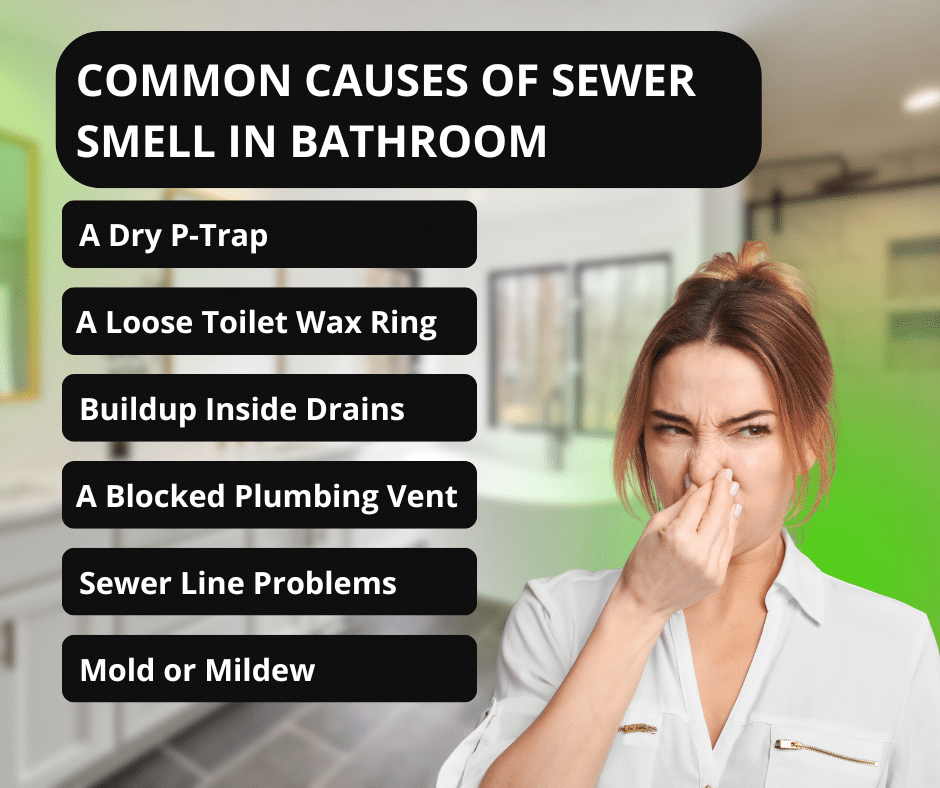
1. A Dry P Trap
A P-trap is the curved pipe under sinks, showers, and tubs. It holds a small amount of water that blocks sewer gas. When the water dries up, there’s no barrier left.
Why It Happens in Georgia
- Guest bathrooms that sit unused
- Vacation homes around Lake Lanier or North Georgia
- Homes with high indoor heat in the summer
- HVAC systems that remove moisture quickly
Signs You’ll Notice
- The odor fades after running water
- A dusty smell from drains before the sewer odor appears
- Light gurgling as the trap refills
How to Fix It
Run the faucet or shower for 10 to 20 seconds. This refills the trap. In rarely used bathrooms, you can add a tablespoon of mineral oil after adding water. It slows evaporation, which helps in drier winter months.
2. A Loose or Damaged Toilet Wax Ring
Toilets have a wax ring between the toilet base and the floor. This ring seals sewer gas from entering the bathroom. When it loosens, wears out, or cracks, odors leak out around the toilet.
Why It Happens
- Older homes around Atlanta with original bathroom fixtures
- A toilet that has been nudged or rocked
- Floors that shift slightly due to Georgia’s clay soil
- Improper installation
Signs to Look For
- Smell strongest near the toilet
- Toilet wiggles when touched
- Water spots or dampness around the base
- A slight “squish” sound when sitting down
How to Fix It
Replacing a wax ring means removing the toilet, cleaning the flange, and resealing it.
Some homeowners try it themselves, but most call a pro because toilets are heavy and alignment matters. If your bathroom floor is uneven, a plumber may recommend a reinforced ring.
3. Organic Buildup Inside Drains
Even though it doesn’t always come from the sewer, drain buildup can smell almost identical.
Hair, soap scum, toothpaste, shaving cream, oils, and skin cells can collect inside the pipe.
In warm, humid bathrooms, bacteria multiply quickly and create strong odors.
Why It Happens
Georgia’s humidity creates the perfect environment for bacteria. When steam from showers rises into the drain, it reactivates smells trapped in the buildup.
Signs You’ll Notice
- Slow-draining water
- Brown or black sludge around the drain cover
- Odor is strongest when the water first runs
- A sour or rotten smell
How to Fix It
- Remove the drain stopper or cover
- Pull out hair using a drain tool
- Scrub inside the drain with a small brush
- Flush with boiling water
- Use an enzyme drain cleaner monthly
Enzyme cleaners break down organic material without damaging pipes. They work especially well in older homes with cast-iron plumbing.
4. A Blocked Plumbing Vent
Plumbing vents let sewer gas escape through the roof so it never travels back inside. When these vents get clogged, pressure builds up and pushes the gas into the home instead.
Why It Happens
- Pine needles in areas like Gwinnett, Forsyth, and Cherokee
- Oak leaves in older Atlanta neighborhoods
- Bird nests or small animal debris
- Storm debris after heavy winds
Signs of a Blocked Vent
- Gurgling in drains when flushing
- Sewer smell from more than one drain
- Slow draining throughout the house
- Toilet water levels rising or dipping
How to Fix It
Vent clearing requires roof access and safety equipment. Professionals use long rods or air pressure tools to remove blockages. Never attempt to reach roof vents during wet conditions or high winds.
5. Sewer Line Problems
If a sewer line under your yard cracks, collapses, or becomes misaligned, sewer gas can escape into the soil and then seep into your home.
Why It Happens
- Expansive clay soil around Atlanta
- Large tree roots
- Older clay or cast-iron pipes
- Heavy rain that shifts soil
Signs to Watch For
- Sewer odor in multiple rooms
- Patches of grass that stay wet
- Bugs around bathroom drains
- Frequent backups in showers or tubs
How to Fix It
You’ll need a sewer camera inspection. A plumber inserts a camera to find cracks, misalignments, or root intrusions. Repairs depend on the damage, but catching the problem early saves major costs.
Avalon Home Inspections often spots early-warning signs during standard inspections, especially in older or renovated homes.
6. Mold or Mildew Mistaken for Sewer Gas
Some homeowners confuse mold smells with sewer odors. Mold has a musty, earthy smell that can become stronger after showers or in tight bathrooms.
Why It Happens
- High humidity
- Poor ventilation in small bathrooms
- Leaks hidden behind tile or walls
- Long showers without exhaust fans
Signs to Watch For
- Dark spots on tile or caulk
- Musty odor that increases with humidity
- Peeling paint or soft drywall
- Spotty growth under sinks or cabinets
How to Fix It
Clean visible mold with a safe mold cleaner. If mold returns, the problem may be a hidden leak, poor venting, or high indoor humidity.
A home inspector can identify ventilation issues or moisture buildup behind walls.
How to Stop Sewer Smells Fast
To stop the smell fast, you need to eliminate the source of the sewer gas and restore proper air flow, water seals, or drainage.
Below is a step-by-step action plan.
| Step | What to Do | What It Solves |
| 1 | Run water in all sinks, tubs, and showers | Refills dry traps |
| 2 | Remove hair and gunk from drains | Stops bacteria-based odors |
| 3 | Check the toilet for wobbling | Finds wax ring issues |
| 4 | Turn on or clean the exhaust fan | Improves ventilation |
| 5 | Use enzyme cleaner in drains | Breaks down organic buildup |
How to Prevent Sewer Smells Long Term
Tips Georgia Homeowners Should Follow:
- Run water weekly in rarely used bathrooms
- Clean drains monthly with enzyme cleaner
- Use drain protectors to catch hair
- Keep exhaust fans on for 20 minutes after showers
- Check toilet bases during deep cleaning
- Seal bathroom tile and grout yearly
- Insulate pipes in colder North Georgia areas to prevent trap evaporation
Long-term prevention helps reduce odors and protects your plumbing system from wear.
How to Know if the Smell Is Dangerous
Sewer gases can make you sick if they build up. Low levels typically irritate, while high levels can cause headaches or nausea.
Signs the Odor Might Be Harmful
- Strong smell that lasts all day
- Odor appears in multiple rooms
- You feel lightheaded or nauseous
- You have a septic system that hasn’t been pumped in years
If this happens, open windows, stay out of the room, and call a professional.
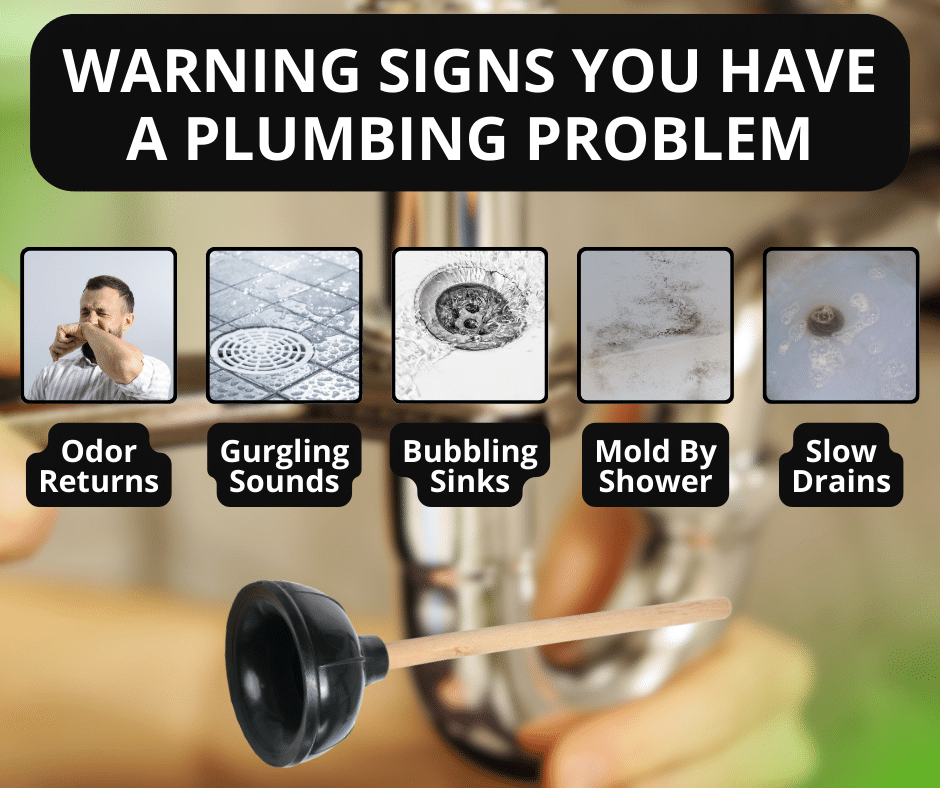
Signs You Have a Plumbing Problem
Sewer smells can mean deeper plumbing issues.
Warning Signs
- Odor returns after cleaning
- Gurgling when flushing
- Bubbling in sinks
- Mold near the toilet
- Multiple slow drains at once
These symptoms point to vent blockages, aging pipes, or sewer line issues.
Georgia-Specific Situations That Make Sewer Smells Worse
1. Humid Summers
Humidity helps bacteria grow and causes smells to travel faster.
2. Older Plumbing
Homes in Decatur, East Point, and historic Atlanta often have older sewer systems.
3. Tree-Dense Neighborhoods
Heavy debris from pine and oak trees leads to clogged vents.
4. Expanding Clay Soil
Seasonal soil movement shifts underground plumbing.
5. Septic Systems
Many rural or semi-rural areas rely on septic tanks, which can create bathroom odors if overdue for pumping.
Related Questions
Why does the smell get worse after rain?
Rain increases pressure in sewer systems and pushes gas through weak seals and drains.
Why does my bathroom smell at night?
Warm indoor air can lift trapped smells from drains.
Is the odor coming from my shower or toilet?
Smells from a toilet base point to a wax ring problem. Smells from the drain area point to a buildup or a dry trap.
Do septic tanks cause sewer smells?
Yes. A full septic tank can push sewer odors back through the bathrooms.
When to Call a Professional
Call a professional when:
- You can’t find the source
- The smell is in more than one room
- Toilets wobble or leak
- Drains gurgle often
- You suspect sewer line issues
Avalon Home Inspections performs detailed inspections and can help identify plumbing issues, moisture problems, vent blockages, and early sewer line failures before they become major repairs.
Conclusion
A sewer smell in your bathroom isn’t something you have to live with. Most causes are simple and easy to fix once you understand what’s happening behind the scenes.
By cleaning drains, checking seals, improving ventilation, and watching for warning signs, you can keep your bathroom fresh and safe.
And when you need a trusted expert, Avalon Home Inspections is here to help Georgia homeowners protect their homes with detailed, reliable inspections.